

Welcome signs of spring!
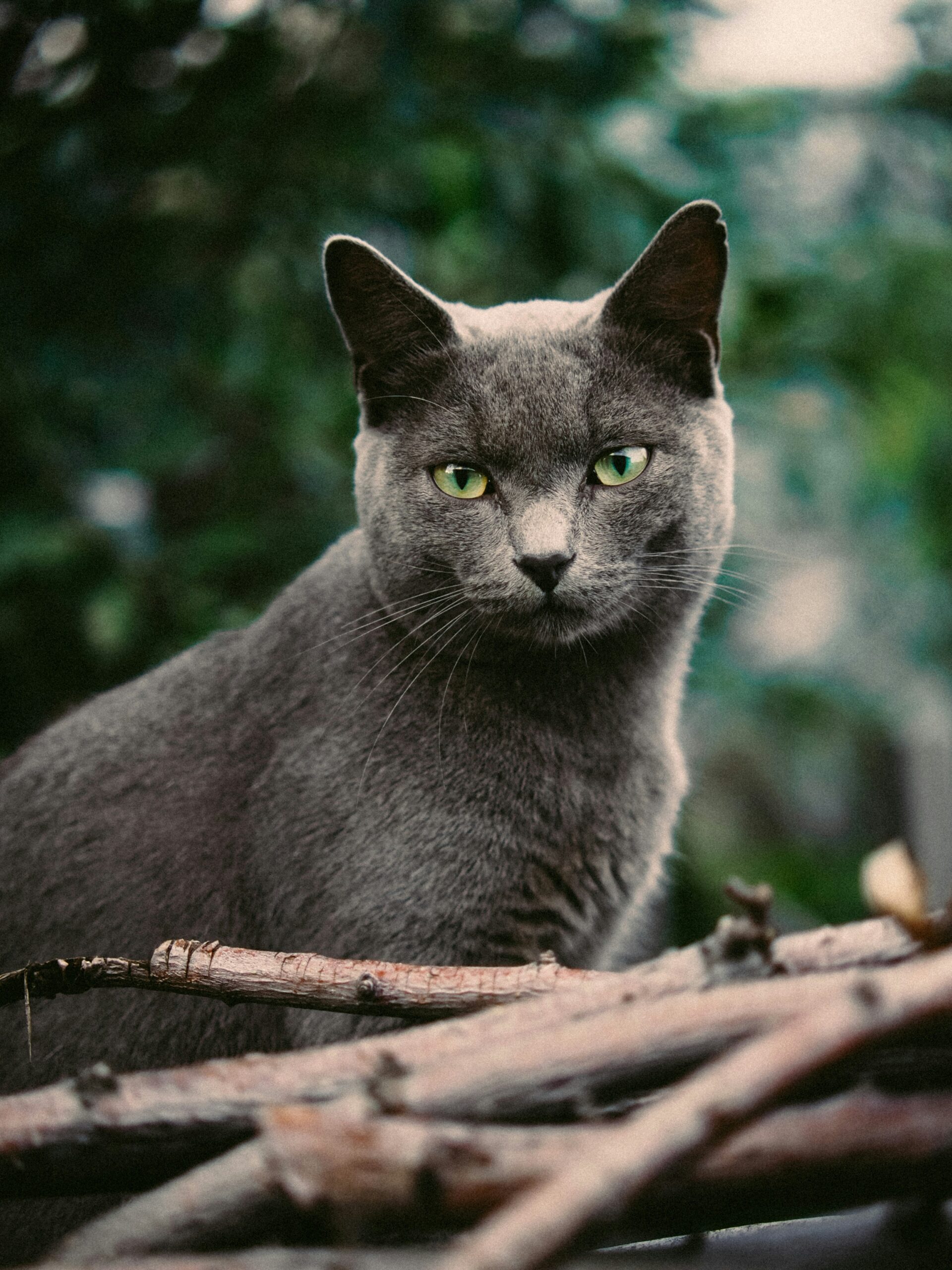
Yesterday, when I went out to feed Hattie, the feral cat who lives in my yard, I was startled to discover an opposum hiding in the back of Hattie’s feeding station. It was very dark inside, and I didn’t want to startle it by trying to take a photo, so the picture here is not the actual animal.
Hattie was hungry, and fortunately, the weather had been dry and in the 30’s all day, so I was able to set her bowl of food on the back steps. I waited for her to eat to make sure the opposum wouldn’t chase her away from her food.
Then I headed to the internet to learn a bit about possums.
Good news.
- They rarely if ever get rabies, so I didn’t need to be concerned about that.
- They rarely are seen in daylight, either. They often come out of their dens in early spring when they’re hungry, and since it was dusk here, I figured it was looking for food.
This one was quite reticent and unwilling to communicate telepathically. Perhaps it wasn’t fully awake, as it’s energy seemed a bit dazed.
I suspected it was in the feeding station because the snow here is still over 3 feet deep and it could sit on Hattie’s mat and keep it’s feet warm after licking up any food remnants from Hattie’s breakfast bowl.
The site I visited also said that if you frighten them they not only become comatose (hence the expression, “playing possum”), but they express their anal glands and leave a terrible smell behind. I definitely didn’t want that inside Hattie’s feeding station because I won’t be able to clean it or air it out until things warm up quite a bit here and all the snow melts.

I asked Hattie how she felt about the opossum moving into her “house.”
HATTIE: It’s temporary. It won’t stay. I’m not concerned.
NEDDA: Do you know why it’s here? It won’t talk to me.
HATTIE: Looking for food. It cleaned up the breakfast I didn’t finish.
NEDDA: Are you getting too much to eat?
HATTIE: NO! I just didn’t finish breakfast this morning.
NEDDA: OK. Just asking. It’s been so cold and I’ve been trying to make sure you’re warm enough from the inside out.
HATTIE: [quizzical image] Inside out?
NEDDA: I mean that your body is warm enough even in the terrible cold nights we’ve had.
HATTIE: Yes, I’m warm. I’m shedding, too.
NEDDA: Yes, I noticed. Is there anything you need from me that you haven’t been getting?
HATTIE: No. I’m doing fine.
NEDDA: Good. I don’t think I can do anything about the opossum.
HATTIE: Not your job to do anything. All is in balance in your yard. Just allow.
NEDDA: Good advice. Thank you.
For those of you who don’t live in New England, we’ve had the coldest February in all of recorded history of weather information. We also have mountains of snow everywhere. I’m hoping for a slow melt because if it warms up too fast, the flooding will be terrible.
I’m delighted to hear from Hattie that she’s doing fine. Hattie’s at least 15 years old and quite wild, so it’s amazing to me that she has survived with the tiny amount of help she gets from me – namely food and water. She won’t stay in any human made habitat, even on the coldest of nights. I know where her “cat den” is, but I can’t really see it so I have no idea what it looks like or how she stays warm, except that has a long, very thick coat of fur.
Since we’re all eager for spring, the “sign of the possum” gives me a joyous sense that the seasons are changing.



How exciting, its amazing what wildlife you get in your yard. Have you ever thought of putting up a cam corder overnight? If these are the things you see, what else may be visiting? I’m convinced word gets around the local wildlife when they know of somewhere safe to hide out or visit.
I do live in a semi-rural area, and I know there are fox, bears, dog/coyote packs, skunks, racoons, and many, many different kinds of birds, including hawks and ravens. Years ago, I was teaching a class in my home and a heron appeared on my lawn – we could see it’s head through the window it was so tall. I don’t put out a camera because animals know when they are being watched, just like we do. I’m not sure they’d be comfortable showing up and being themselves if they thought they were under observation.
I’ve also done some amount of sacred ceremony on my land, asking for healing and love for all who live there and all who cross the land. That’s probably another reason they come here – the energy has been cleared and maintained as a peaceful, loving space.
I like Hattie. My kind of cat! She reminds of people I know.