
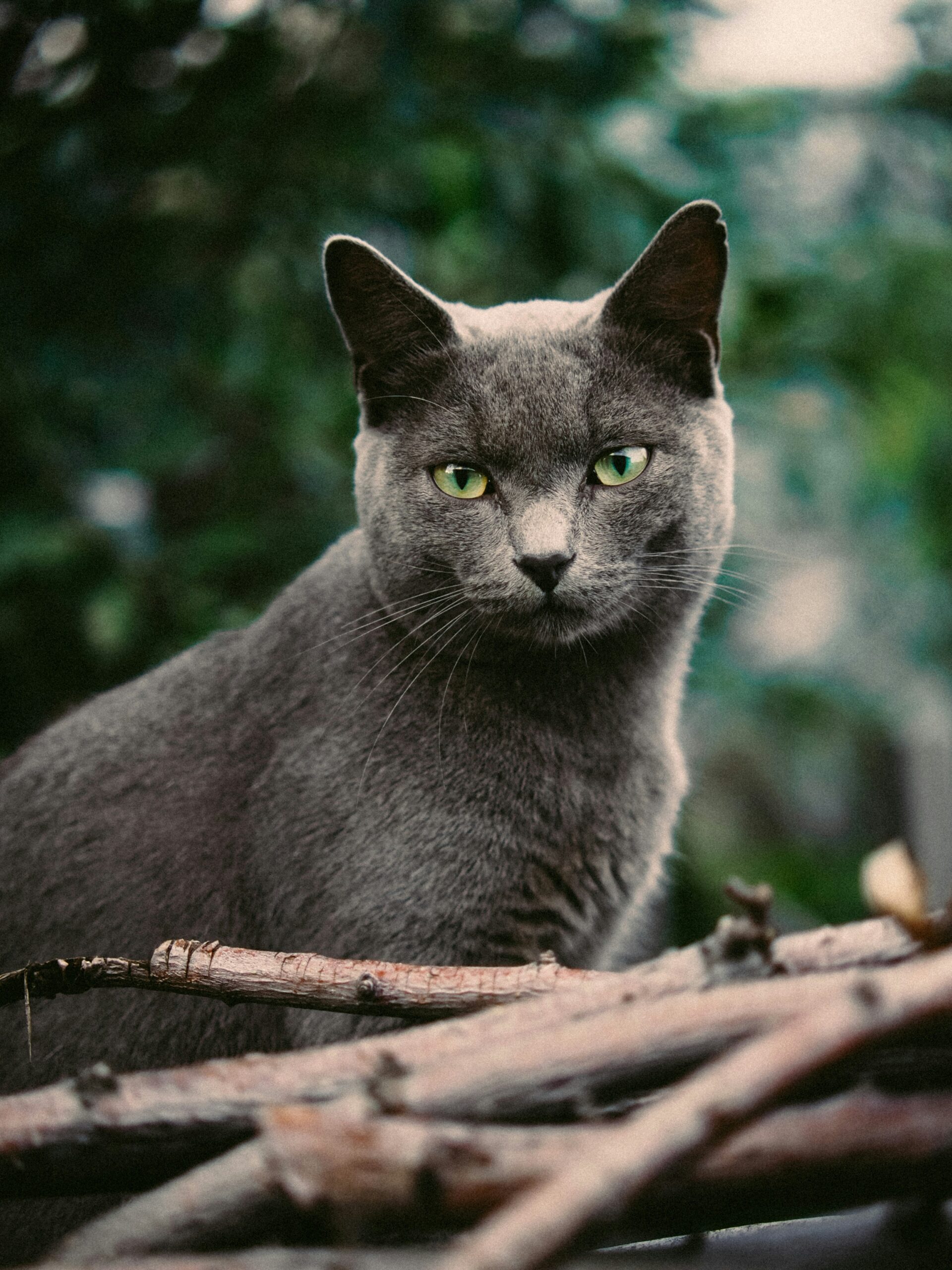
SPIRIT OF CAT is a long-time friend of mine. He asked me to share this information with everyone, and especially with cat lovers.
“Lack of information has led to lack of understanding and disrespect for who the domestic felines really are.
“It has also led to tragedy, mistreatment, and suffering, despite human efforts to rectify harmful situations humans have created.
“I share this information in the belief that humans can and will do better.”
1_ Cats are prey as well as predators.
This is why we peek out first, sniff and look and listen when going outdoors or into a space where we haven’t been before.
We are wise enough to check things out before something swoops in and grabs us for food. We are not “fraidy cats.” We are appropriately cautious and very, very intelligent!
2_ Frequent reproduction is a feline species survival mechanism.
In the outdoor world, kittens often don’t survive. For our species is survive, twice yearly reproduction is necessary.
Our wild population is controlled by parasites from the prey we eat and by predators. Overpopulation has been created primarily by lack of predators because humans have eliminated them.
Spaying and neutering is harmful to us. We need the hormones of our organs to properly develop. The surgeries are unnatural and can lead to behavioral issues.
We also live in family groups. Sister, aunts, and female cousins form our communities. Breaking up our families so you can adopt our babies isn’t always kind.
3_ Mother cats teach their kittens how to hunt safely.
When you separate us from our mothers, we don’t learn what is needed to survive outside. What you think is instinct is partially taught by mother cats to their young.
When mothers have been kept indoors for several generations, the genetic survival knowledge is also lost or shut down. Humans calls this epigenetics. The genes are turned off by cooked diets and lack of exposure to the wild.
Then, when you abandon a cat, you break our hearts and condemn the cat to a miserable and short life because the abandoned cat doesn’t know how to hunt efficiently or how to survive predators.
4_ Cats are not meant to live totally indoors.
Cats are born with highly developed, sensitive and highly attuned senses to help us survive. These must be stimulated to maintain and expand our natural intelligence.
Lives of boredom are, for many of us, lives of torture. The pablum of videos of fish, birds, and small animals, as well as human toys, are no substitute for the real thing.
When you go outside and smell the grass and flowers and trees, and feel the wind in your fur (hair), and touch the earth, you feel more alive, more grounded, more connected, more whole. This is also true for us.
Cats need to be outside, to run and run and climb and jump, and hunt, too. We need to use our distance vision. We need to sniff and sniff and sniff all the amazing odors of the outdoor world.
We need to feel the earth and plants with our paws and be connected to the them to be healthy.
Twenty minutes of exercise a day in a small space is no substitute for hours spent outdoors.
5_ Cats need healthy RAW, freshly killed animals to be properly nourished.
We need to consume healthy bones and skin and organ meat. Our natural diet is what we catch. It doesn’t smell or taste at all like the food you give us.
We eat the whole animal, and all it’s parts are necessary for our well-being. Bones, feathers, and skin with fur are what we need to keep our teeth clean and assist our digestive process. Organ meat provides essential nutrients to our bodies.
6_ When born in the wild, cats live in families.
We live like lions, in prides of related females. Adult females (sisters, aunts, cousins, nieces) help each other hunt, give birth, and raise the young. Males come and go, but the females love and care for each other and for the young.
When you break up families for any reason, you break our hearts. Feline mothers love their children. You think you are doing us a favor, but you’re causing enormous emotional pain.
Male cats are not designed to live in family groups. When brought together to live as a family, even brothers may not get along well because it’s unnatural for them to stay together. When they do manage a peaceful relationship with another male cat it’s mainly because they’ve lost their natural instinct of competition combined with neutering.
7_ Cats are highly territorial
Territory is necessary for survival. We use our urine and feces, as well as our facial pheromones to mark territory. We even mark our human companions when we lick them and rub our faces against them.
8_ Cats use urine and feces to communicate with each other and with you.
We also use them to express emotions when we are highly stressed or in pain.
We are naturally clean animals, and will not spray or refuse litter boxes randomly.
There is always a message.
The message can be one of physical or emotional pain (such as urinary tract problems), illness, or stress. Because most humans don’t understand this, many cats suffer needlessly.
9_ Despite everything, we love you and we’re here to help you.
Cats can see and feel energy. We feel your energy and other energies, too.
Our purr is healing to ourselves and to you.
We are also assisting humanity as a whole to awaken spiritually. This awakening will shift our relationship with you to greater mutual respect and increased love.
Despite all the misunderstandings between humans and felines, we take our job seriously and continue to be of service to anyone who takes a cat into their heart. We do our very best to assist our human companions.
Photo by Maria Chernetskaya on Unsplash





This article was an eye opener. I thought I knew a lot about cats, but after reading this, I realized there were a few tidbits I didn’t know.
Thanks.
I would love to know more about what the Spirit of Cat has to say on joining human homes.
Many rescue groups do spay/neuter surgeries, vaccinations and microchips prior to adoption.
It’s not unusual for landlords to limit the number of pets per household, restrict cats to live indoors only or require spay/neuter and vaccinations.
Even when an individual owns their own home, they’re sometimes limited financially for how many pets they can afford to provide care.
Some municipalities also impose restrictions on the number of animal companions and unsterilized animals.
Does the spirit of cat think it is better not to adopt a feline family member at all when they’re unable to accommodate these feline preferences? What does the spirit of cat think about vaccines and microchipping?
Hi, Yvonne,
My understanding of Spirit of Cat’s intentions in sharing this information is that he wants people to “wake up” about felines. He’s not telling anyone what to do. Instead he’s providing information so that people will begin to creatively change the current system to one that’s more aligned with the way felines truly are and so that those of us who have feline companions will be more loving and accepting of their true nature.
In your comment, you expressed some of the patterns that need to be addressed. When people are aware of these issues, they will begin to create new solutions. Awareness comes first. With awareness as the starting point, the next steps will be created.
Animal Communication can help. As we speak telepathically with individual cats in specific situations, they will tell us what they need, what they are comfortable with for their lives, and then we will be able to respond. Instead of humans making all the decisions as if the animals have no part in choosing what they will experience, we will begin to include them in all decisions that directly and indirectly affect them.